
Blog
How to Transition Custom Suits from Casual to Formal: A Comprehensive Guide

Aug
Custom suits are the epitome of versatility. Dress them up or down, and you’re good to go, whether you’re wearing them for a casual occasion or need a more formal ensemble. If you’re a distributor, reseller, or a buyer looking to learn how to style a custom suit, read on for real-life tips from a veteran on how to take these suits from casual to formal, any time.
How to Style Custom Suits From Casual to Formal?
Custom suits have a place in every man’s wardrobe because they are one of those few items that can be worn for casual or formal occasions. So, whether your customers need to dress down or need a little more pizzazz for a big day, you can meet their needs if you know how to work with your materials.
1. The Fabric
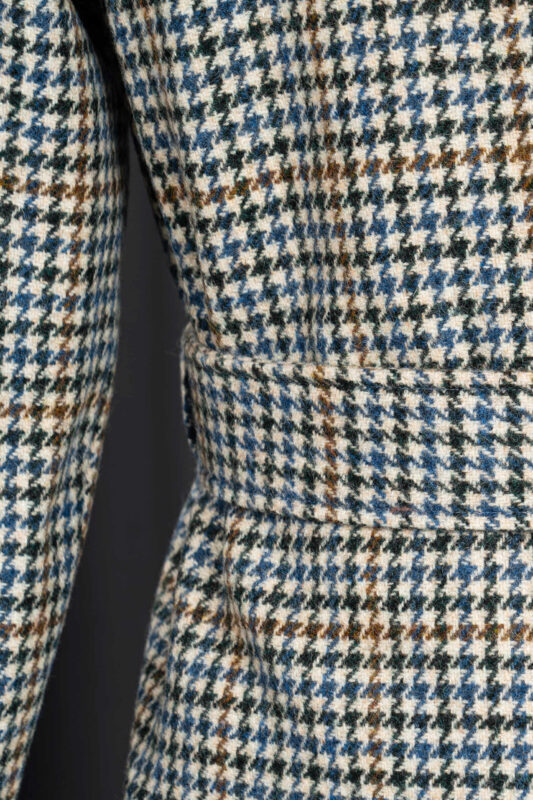
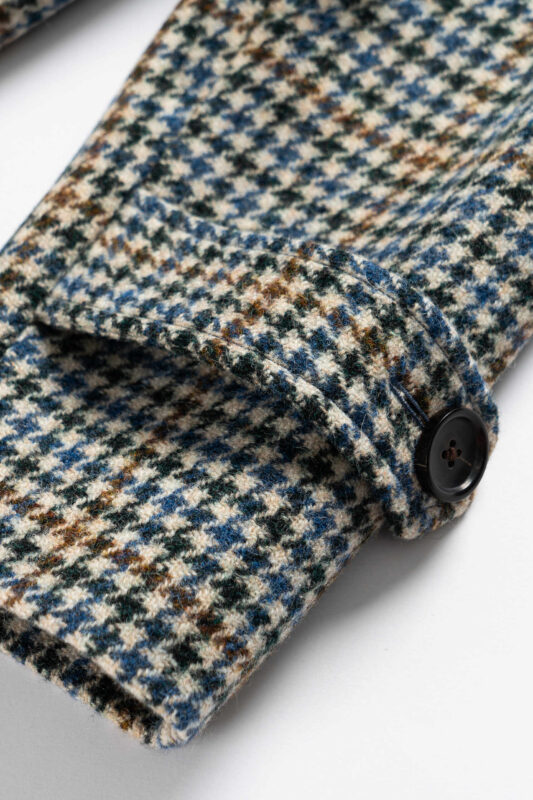
The first thing to consider when styling a custom suit is the fabric it’s made from. Of course, different fabrics are more suitable for different seasons, but the type of fabric will also dictate what you can and cannot do with the garment.
When it comes to custom suits, cotton is one of the most versatile materials because it can be used for both casual and formal occasions. Cotton is also breathable and lightweight, which makes it ideal for summer months.
For winter, wool is the way to go because it’s not only warm but also very durable. And if you’re looking for something luxurious, velvet is always a good choice.
2. Tailoring
The fit of a custom suit is another important factor to consider. A well-tailored garment will always look better than one that’s too tight or too loose. If you’re not sure how your suit should fit, ask your tailor for advice.
As far as styling goes, the biggest difference between casual and formal suits is in the lapels and collar. A notched lapel with a spread collar is more casual, while a peaked lapel with a straight collar is more formal. The same goes for the length of the jacket sleeves. Shorter sleeves are more casual, while longer ones are more formal.
3. Color
Color is another key element when it comes to styling custom suits. Neutral colors like black, gray, and navy are always safe choices, but if you want to make a statement, go for brighter shades or prints.
For example, a solid black suit is more formal than one with a colorful pattern. Similarly, a light-colored shirt will look more dressy than a white one.
4. Accessories
Finally, don’t forget about accessories. They can really make or break an outfit, so make sure you have some in your arsenal. Ties, belts, and pocket squares are all must-haves for both casual and formal looks.
A few key pieces of jewelry can also add some pizzazz to a custom suit. Just be careful not to go overboard – a little goes a long way.
5. Shoes
As far as shoes are concerned, sneakers are always a good choice for casual outfits, while dress shoes are better for formal ones. However, there are always exceptions to the rule. For example, a pair of white sneakers can look very stylish with a black suit.
And, on the other hand, a pair of sneakers with a tuxedo is a surefire way to ruin an otherwise perfect look. So use your best judgment when it comes to footwear.
6. Styling Tips
Now that you know the basics of styling custom suits, here are a few more tips to keep in mind.
- When in doubt, go for a more formal look. It’s always better to be overdressed than underdressed.
- Pay attention to the details. Make sure your shirt is tucked in, your tie is knot properly, and your shoes are polished.
- Experiment with different combinations. Don’t be afraid to try something new.
- Have fun with it! After all, style is all about expressing yourself, so go ahead and experiment until you find something that you love.
Conclusion
Custom suits are a great way to add versatility to any wardrobe. They can be dressed up or down, and they’re perfect for both casual and formal occasions. Just remember to pay attention to the details, and have fun with it!
FAQ
1. What makes custom suits versatile?
Custom suits are made to measure, so they can be tailored to the specific needs and preferences of the wearer. They also come in a variety of fabrics and styles, so they can be dressed up or down depending on the occasion.
2. How can I transition a custom suit from casual to formal?
To transition a custom suit from casual to formal, you can start by changing the shirt and tie. A dress shirt and a conservative tie will instantly make your suit look more formal. You can also try adding a vest or waistcoat, and switch to dress shoes.
3. Why is it important to consider the fabric of a custom suit?
The fabric of a custom suit is important because it determines how the suit will look and feel. It also affects how the suit will drape on the body. For example, a lightweight fabric like linen will drape differently than a heavier fabric like wool.
4. How do I know if a custom suit is well-tailored?
A well-tailored custom suit will fit the body well and will be comfortable to wear. The sleeves should be the right length, and the shoulders should be nicely padded. The jacket should be slim-fitting but not too tight, and the pants should be slim but not skin-tight.
5. What are some tips for styling a custom suit?
Some tips for styling a custom suit include choosing the right fabric and color, making sure the suit is well-tailored, and accessorizing appropriately. You can also experiment with different shirt and tie combinations to create a unique look.
6. What are some formal and casual custom suits to consider?
Some formal custom suits to consider include tuxedos, black tie, and morning suits. Casual custom suits can include sport coats, blazers, and suit jackets.
7. What are the best ways to accessorize a custom suit?
The best ways to accessorize a custom suit include wearing a belt, a pocket square, a tie, and a pair of cufflinks. You can also accessorize your custom suit with a vest or a waistcoat.
8. How can I care for my custom suit?
To care for your custom suit, it is best to take it to a professional cleaner on a regular basis. You can also brush your suit lightly with a clothes brush to remove any dust or dirt. When storing your custom suit, make sure to hang it on a padded hanger to keep the shoulders in good shape.
Contact Us
If you’re ready to take your business to the next level with custom suits, don’t hesitate to get in touch with us!
- Email: hello@yourcompany.com
- Phone: 0800 123678
- Website: https://suithd.com/
Let us help you bring the world of custom suits to your customers!
